How to Develop Good Habits in Children Before Starting School
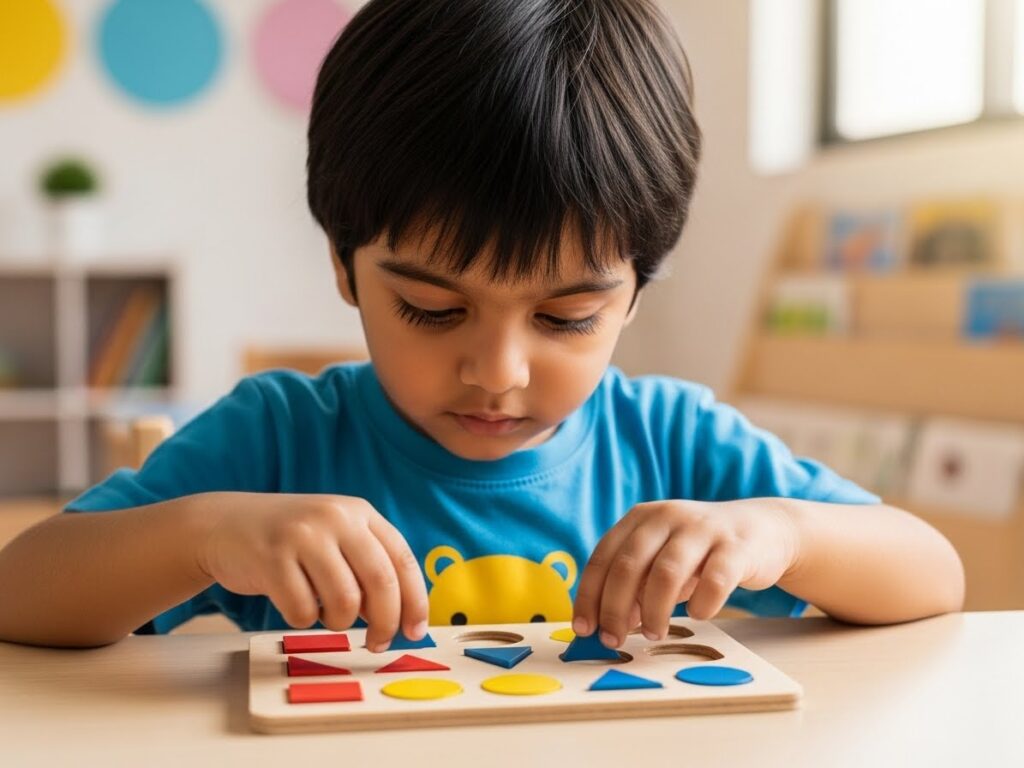
Starting school is an exciting milestone for every child and parent. It is also a time when children begin adapting to new routines, meeting teachers and classmates, and becoming more independent.
While academic preparation is important, developing good habits in children before starting school can make the transition much easier. Simple habits such as waking up on time, brushing teeth, eating independently, keeping toys organized, listening carefully, and following a routine can help children feel confident and comfortable in a school environment.
The good news is that parents do not need to make these habits complicated. With patience, consistency, and encouragement, everyday activities can become valuable learning opportunities.
1. Establish a Consistent Daily Routine
Children feel more comfortable when they know what to expect next. A consistent daily routine helps them understand the difference between playtime, mealtime, learning time, and bedtime.
Try to maintain regular times for:
- Waking up
- Brushing and bathing
- Breakfast and meals
- Play and learning activities
- Outdoor activities
- Screen time
- Bedtime
A predictable routine can help children become more independent and prepare them for the structured environment of preschool.
2. Teach Your Child to Wake Up on Time
A regular sleep and wake-up schedule is one of the most useful habits to establish before school begins.
Start adjusting your child’s sleeping schedule several weeks before the first day of school. Avoid making sudden changes. Instead, gradually move bedtime and wake-up time toward the schedule your child will follow once school starts.
Adequate sleep can also help children stay energetic, attentive, and emotionally comfortable during the day.
3. Encourage Personal Hygiene Habits
Personal hygiene is an important part of becoming independent.
Teach your child simple habits such as:
- Brushing their teeth twice a day
- Washing hands before eating
- Washing hands after using the toilet
- Covering their mouth when coughing or sneezing
- Keeping their face and hands clean
- Using a tissue or handkerchief when needed
Make these activities fun rather than treating them as chores. Children are more likely to develop healthy habits when parents demonstrate them consistently.
4. Encourage Independent Eating
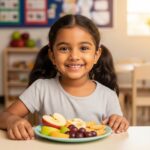
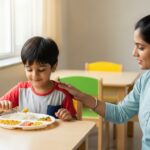
Before starting school, children should gradually learn to eat and drink independently.
Parents can encourage children to:
- Use a spoon and fork
- Drink water from their own bottle or cup
- Eat different types of healthy food
- Sit properly during meals
- Avoid unnecessary distractions while eating
- Tell an adult when they need help
If your child will spend several hours at school or in a Preschool with Daycare, practicing these skills at home can make mealtimes more comfortable.
5. Teach Your Child to Keep Things Organized
Children can begin learning responsibility through simple tasks.
Ask your child to put toys back after playing, keep books in their place, and put their shoes or bag in a designated area.
You can introduce a simple rule:
“Use it, enjoy it, and put it back.”
These small responsibilities teach children that they have an important role in maintaining their surroundings.
6. Develop Listening and Following Instructions
Being able to listen and follow simple instructions is an important part of school readiness.
Start with short instructions such as:
- “Please put your toys away.”
- “Bring your water bottle.”
- “Please sit at the table.”
- “Put your shoes near the door.”
As your child becomes comfortable, gradually introduce two-step instructions.
For example:
“Put your toys away and bring your storybook.”
Remember to give your child enough time to process what you have said. Encourage them when they complete the task.
7. Encourage Good Communication
Children need to feel comfortable expressing their needs, feelings, and questions.
Encourage your child to use words to communicate instead of immediately responding for them.
Teach simple phrases such as:
- “I need help.”
- “Can I have some water?”
- “I don’t understand.”
- “Can I play with you?”
- “I am feeling sad.”
- “Please help me.”
Good communication can help children interact more confidently with teachers and classmates.
8. Teach Sharing and Taking Turns
Social skills are just as important as academic preparation.
Games and everyday activities can help children understand concepts such as sharing, waiting, cooperation, and taking turns.
Parents can practice these skills through:
- Board games
- Building blocks
- Group play
- Storytelling
- Drawing activities
- Outdoor games
Instead of forcing children to share every possession immediately, explain why taking turns and cooperating can make play more enjoyable for everyone.
9. Introduce Simple Responsibility
Children can learn responsibility through age-appropriate tasks.
For example, a young child can:
- Put toys away
- Carry their own water bottle
- Keep shoes in their place
- Help arrange books
- Put dirty clothes in the laundry basket
- Pack simple items into their school bag
These activities may seem small, but they help children develop confidence and independence.
10. Limit Excessive Screen Time
Children can easily become accustomed to spending large amounts of time on phones, tablets, or television.
Instead of relying on screens for entertainment throughout the day, create opportunities for:
- Reading
- Drawing
- Puzzles
- Pretend play
- Building activities
- Music
- Outdoor play
- Conversation with family members
The goal is not simply to remove screens but to create a healthy balance between technology, physical activity, social interaction, rest, and creative play.
11. Encourage Reading and Storytelling
Reading with your child is an excellent way to prepare them for school.
You can read a short story together every day and ask simple questions:
“What happened in the story?”
“Who was your favorite character?”
“What do you think will happen next?”
Storytelling can encourage vocabulary development, listening skills, imagination, and communication.
It can also make children more comfortable with books and learning activities before they enter a formal school environment.
12. Teach Children to Be Patient
Children may naturally want immediate attention or immediate results. School, however, requires children to wait, listen, and take turns.
Parents can gradually teach patience through simple situations.
For example, when your child asks for something while you are busy, explain:
“I will help you after I finish this.”
This teaches children that waiting is normal and that their needs will still be addressed.
13. Make Learning Fun
Preparing a child for school does not mean turning the home into a classroom.
Children learn naturally through play and exploration. Counting toys, identifying colors, drawing pictures, singing songs, building objects, and exploring nature can all become learning experiences.
The aim should be to develop curiosity rather than create pressure.
14. Teach Children How to Ask for Help
One of the most important habits a child can develop before starting school is knowing when and how to ask for help.
Tell your child that it is completely okay to say:
“I need help.”
Whether they cannot open their lunch box, understand an activity, find something, or feel uncomfortable, knowing how to communicate their needs can help them feel safer and more confident.
15. Practice the School Routine Before the First Day
A few weeks before school begins, practice a simple morning routine at home.
For example:
Wake up → Brush → Get dressed → Eat breakfast → Pack the bag → Put on shoes → Leave for school
Practicing this routine can make the actual school morning less stressful for both parents and children.
If your child is joining a preschool that also offers daycare, practicing the routine can be particularly helpful because the child may spend a longer part of the day away from home.
How Parents Can Make Good Habits Easier to Develop
The most effective way to teach children good habits is through consistency and example.
Parents can:
- Model the habits they want their children to develop.
- Give clear and simple instructions.
- Praise effort rather than demanding perfection.
- Introduce one habit at a time.
- Keep routines consistent.
- Use positive reinforcement.
- Avoid comparing children with others.
- Give children enough time to learn.
Remember that every child develops at their own pace. Some children become independent quickly, while others need more guidance and encouragement.
How Discover First Step Supports Early Childhood Development
Choosing the right early learning environment can complement the habits children develop at home.
Discover First Step focuses on early childhood education through a structured yet engaging learning environment. Its programs include Play Group, Pre-Nursery, Nursery, LKG, UKG, Class 1, Class 2, and Day Care. The school also highlights parent-teacher interaction, nutritious food, a Montessori lab, outdoor activity spaces, and a curriculum aligned with NEP and NCF.
For working parents looking for a Preschool with Daycare, having early education and childcare options within the same environment can make the transition from home to school easier to manage.
Final Thoughts
Developing good habits in children before starting school is not about making them perfect or expecting them to behave like adults. It is about helping them become more independent, confident, responsible, and comfortable with everyday routines.
Start with small habits. Make them part of your child’s daily life. Celebrate progress and be patient when mistakes happen.
With the right support at home and a nurturing early learning environment, children can begin their school journey with greater confidence and enthusiasm.
If you are looking for a Preschool with Daycare, explore the programs and learning environment at Discover First Step to find an option that suits your child’s early education and childcare needs.