How Preschool Helps Develop Social and Emotional Skills
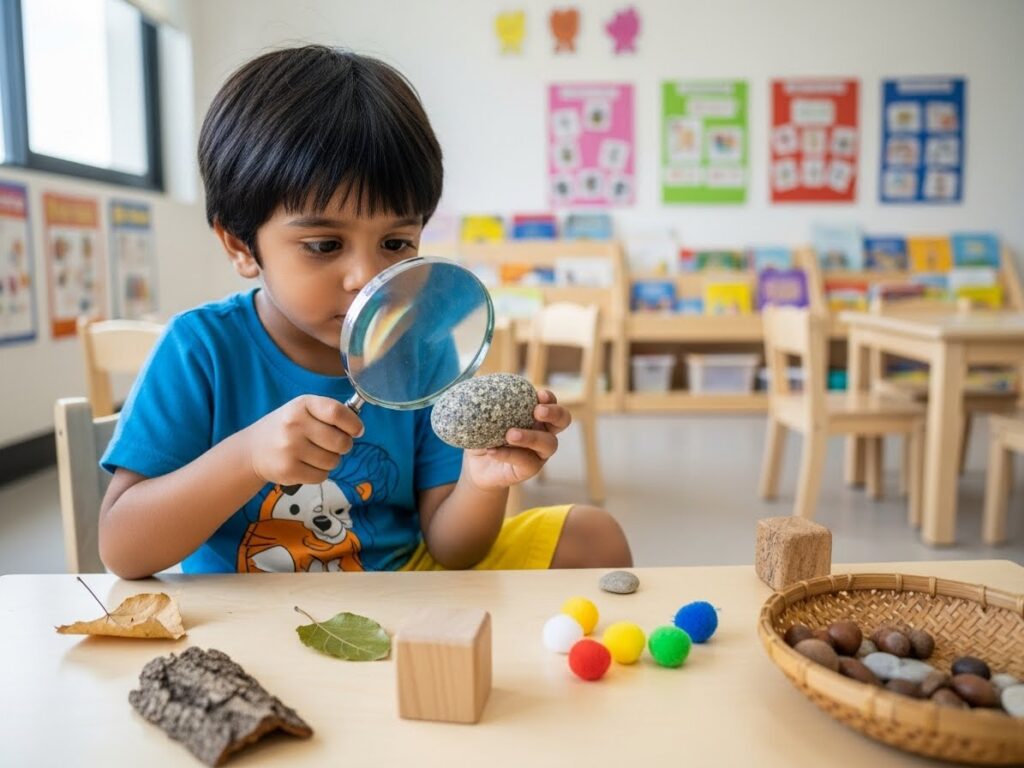
The early years of a child’s life are a crucial period for building confidence, communication abilities, and emotional awareness. A quality preschool environment helps children learn how to interact with others, express their feelings, solve problems, and develop positive relationships. These social and emotional skills create a strong foundation for future learning and personal growth.
What Are Social and Emotional Skills in Early Childhood?
Social and emotional skills are the abilities children develop to understand their emotions, manage their behaviour, communicate with others, and build healthy relationships. These skills help children become independent, confident, and better prepared for school and everyday life.
Preschool plays an important role in nurturing these abilities through structured activities, group interactions, play-based learning, and guidance from trained educators.
How Preschool Supports Social Development
1. Encourages Interaction With Other Children
Preschool gives children opportunities to meet and play with peers from different backgrounds. Through group activities, children learn important social behaviours such as sharing, taking turns, cooperating, and respecting others.
These everyday interactions teach children how to build friendships and work as part of a group.
2. Builds Communication Skills
Communication is an essential part of social development. Preschool activities such as storytelling, discussions, songs, and role-playing encourage children to express their thoughts and ideas.
When children learn to communicate clearly, they become more confident in sharing their feelings and connecting with others.
3. Teaches Teamwork and Cooperation
Classroom activities often involve teamwork, whether it is completing a puzzle, participating in games, or working on creative projects. These experiences teach children how to collaborate, listen to others, and contribute as a team member.
Learning cooperation at an early age helps children develop positive relationships throughout life.
How Preschool Supports Emotional Development
1. Helps Children Understand Their Feelings
Young children experience many emotions but may not always know how to express them. Preschool teachers help children identify emotions such as happiness, sadness, anger, and excitement.
By learning emotional awareness, children gradually understand how to manage their feelings in healthy ways.
2. Develops Confidence and Independence
A supportive preschool environment encourages children to complete small tasks independently, make choices, and participate in activities.
These experiences improve self-confidence and help children believe in their own abilities.
3. Teaches Problem-Solving Skills
Children face small challenges every day, such as sharing toys, resolving disagreements, or completing activities. With guidance from teachers, they learn how to find solutions and handle situations calmly.
These problem-solving skills are important for emotional maturity.
The Role of Teachers in Social and Emotional Learning
Preschool teachers play a key role in creating a safe and encouraging learning environment. They observe children’s behaviour, provide support, encourage positive interactions, and help children develop emotional intelligence.
A caring teacher can help children feel secure, valued, and motivated to explore new experiences.
Why Choosing the Right Preschool Matters
Every child needs an environment where they feel safe, supported, and encouraged to learn. A good preschool focuses not only on academics but also on developing creativity, confidence, communication, and emotional well-being.
Parents looking for a trusted early learning environment should consider factors such as teaching methods, classroom activities, teacher experience, safety standards, and opportunities for social interaction.
Discover First Step: Supporting Holistic Child Development
At Discover First Step, the focus is on creating a nurturing environment where children can learn, explore, and grow. Through engaging activities and child-centred learning approaches, children are encouraged to develop essential social and emotional skills along with early academic abilities.
For those interested in building a career or starting their own early education centre, exploring a preschool franchise opportunity can be a meaningful way to contribute to children’s growth while becoming part of the expanding early childhood education sector.
Conclusion
Preschool is much more than a place where children learn letters and numbers. It is where they begin developing confidence, friendships, emotional awareness, and important life skills.
By choosing a preschool that focuses on holistic development, parents can give their children a strong foundation for future success.