10 Activities That Improve Fine Motor Skills in Young Children
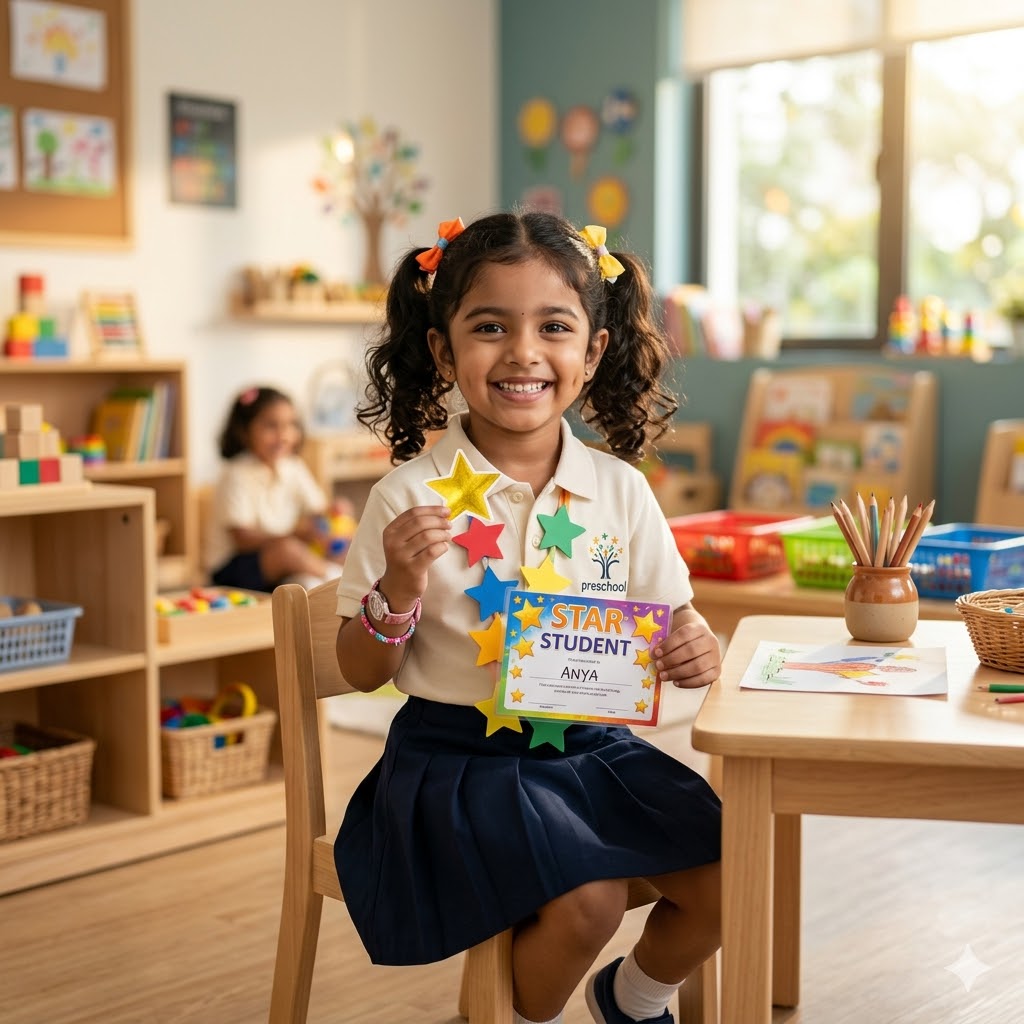
The early years of a child’s life are an important time for developing physical, cognitive, social, and emotional skills. Among these, fine motor skills play a major role in helping children become more independent and confident in everyday activities.
Fine motor skills involve the small muscles of the hands, fingers, and wrists. Children use these skills when they hold a pencil, button their clothes, use a spoon, turn pages of a book, or build something with blocks.
The good news is that developing fine motor skills does not have to feel like a lesson. Simple, enjoyable activities at home and in preschool can help children strengthen these skills while having fun.
Here are 10 activities that can help improve fine motor skills in young children.
1. Drawing and Colouring
Drawing and colouring are simple activities that encourage children to control their hand and finger movements.
Give your child crayons, coloured pencils, or washable markers and allow them to draw freely. Colouring within simple shapes can gradually help children develop better hand control.
Skills developed:
- Pencil grip
- Hand-eye coordination
- Finger control
- Creativity
As children become more comfortable, parents can introduce tracing shapes, lines, letters, and numbers.
2. Playing With Playdough
Playdough is an excellent way to strengthen the small muscles in children’s hands and fingers.
Encourage your child to squeeze, roll, pinch, flatten, and shape the dough. You can also ask them to make simple objects such as flowers, animals, fruits, or letters.
Skills developed:
- Finger strength
- Hand coordination
- Dexterity
- Creativity
This activity can be adapted according to the child’s age and ability.
3. Building With Blocks
Building blocks provide children with opportunities to grasp, position, balance, and connect different pieces.
Ask your child to build a tower, house, bridge, or any structure they can imagine. Letting them experiment freely can also encourage problem-solving.
Skills developed:
- Grasping
- Hand-eye coordination
- Spatial awareness
- Problem-solving
Building activities are particularly useful because children develop physical skills while engaging in imaginative play.
4. Threading and Bead Activities
Threading large beads onto a string is a fun activity that requires concentration and controlled finger movements.
For younger children, always choose appropriately sized materials and supervise the activity to avoid choking hazards.
You can begin with large beads and gradually introduce more challenging patterns as your child’s coordination improves.
Skills developed:
- Finger dexterity
- Hand-eye coordination
- Concentration
- Pattern recognition
5. Using Child-Safe Scissors
Cutting paper with child-safe scissors can help children develop hand strength and coordination.
Start with simple activities such as cutting straight lines. As their skills improve, introduce curves, simple shapes, and craft projects.
Always supervise children while they are using scissors and use age-appropriate, child-safe equipment.
Skills developed:
- Hand strength
- Bilateral coordination
- Precision
- Hand control
6. Puzzles
Simple puzzles encourage children to pick up, rotate, position, and fit individual pieces together.
Choose puzzles according to your child’s age. Start with larger pieces and fewer pieces, then gradually increase the difficulty.
Skills developed:
- Finger control
- Hand-eye coordination
- Problem-solving
- Concentration
Puzzles can also make learning enjoyable because children have a clear goal to work toward.
7. Water Transfer Activities
Simple water-transfer activities can be both educational and entertaining.
Give your child two containers and an appropriate cup, spoon, or child-safe dropper. Ask them to transfer water from one container to another.
These activities require controlled movements and can help children understand concepts such as full, empty, more, and less.
Skills developed:
- Hand control
- Coordination
- Concentration
- Early mathematical concepts
For younger children, perform these activities with close adult supervision.
8. Sticker Activities
Stickers may seem like a simple form of play, but peeling and placing them requires controlled finger movements.
Give your child a sheet of stickers and a piece of paper. They can create pictures, decorate shapes, or follow a simple pattern.
Skills developed:
- Finger strength
- Precision
- Hand-eye coordination
- Creativity
Sticker activities can also be incorporated into early learning—for example, asking children to place stickers inside a particular shape or beside a particular number.
9. Simple Dressing Practice
Everyday dressing activities are another great way to develop fine motor skills.
Encourage children to practise:
- Buttoning shirts
- Opening and closing zippers
- Pulling socks on and off
- Using Velcro fasteners
- Tying simple knots when age-appropriate
These activities may take longer at first, but allowing children to practise independently can help develop both fine motor skills and self-confidence.
10. Finger Painting and Art Activities
Finger painting allows children to use their fingers and hands in different ways while exploring colours and textures.
Provide washable, child-friendly paint and let children create simple pictures or patterns.
You can also combine finger painting with other art materials such as paper, sponges, cotton swabs, or brushes.
Skills developed:
- Finger movement
- Hand control
- Sensory exploration
- Creativity
The focus should be on exploration and enjoyment rather than creating a perfect picture.
Why Are Fine Motor Skills Important?
Fine motor development supports many everyday activities that children eventually need to perform independently.
For example, children use fine motor skills when they:
- Hold and control writing tools
- Eat with a spoon or fork
- Open containers
- Turn pages
- Dress themselves
- Use classroom materials
- Complete arts and crafts
- Manipulate toys and puzzles
Strong fine motor skills can therefore contribute to a child’s growing independence and readiness for school-related activities.
How Can Parents Encourage Fine Motor Development?
Parents do not need expensive educational equipment to support fine motor development. Everyday activities can provide valuable opportunities for practice.
Try to:
- Give children opportunities to play with their hands
- Encourage independent tasks
- Provide age-appropriate art materials
- Include puzzles and construction toys
- Let children participate in simple household activities
- Avoid completing every task for them
- Praise effort rather than perfection
Most importantly, make activities enjoyable. Children are more likely to practise a skill when they see it as play rather than work.
Fine Motor Skills and Early Childhood Education
A quality early childhood environment provides children with opportunities to develop multiple areas of growth—including physical coordination, creativity, communication, social skills, and independence.
Preschool activities can complement what children experience at home by providing structured opportunities for exploration and hands-on learning.
At Discover First Step, children can participate in an early-learning environment designed to encourage learning through age-appropriate activities and experiences. From early preschool programs to higher early-years classes, children are given opportunities to learn, explore, interact, and develop essential skills.
Parents can combine these classroom experiences with simple activities at home to create a consistent learning journey.
Final Thoughts
Fine motor skills develop gradually through regular practice and everyday experiences. Activities such as colouring, playdough, puzzles, block building, threading, cutting, and dressing practice can turn skill development into enjoyable play.
Every child develops at their own pace, so focus on providing encouragement, opportunities, and plenty of hands-on experiences.
Small activities today can help children build the coordination and independence they need for bigger milestones tomorrow.
Discover First Step and explore an early-learning environment where children can learn, play, create, and grow with confidence.