Your child’s first day at preschool is a milestone moment in your parenting journey. Your child is stepping into their second home, and you want to be sure that they will be safe. Safety is one of the vital parameters of Discover First Step Centers. Safety cannot be and should not be compromised at any cost. DFS management ensures to keep all safety measures in check and keep them upgrading regularly as and when required. DFS also enhance safety measures & policies as per government guidelines. We encourage all our Partners, Franchises & Staff to follow the safety manuals without fail.
Families trust DFS to help children learn and grow. Most importantly, though, they trust us to provide a safe place for their children. Our most important job is to keep children safe each day. When issues arise, the solutions and measures must be a joint effort. DFS Pre-School’s management and teachers take care of the children. However, the parents also play a vital role.
Student 360 Safety

Safety First !


3 ways in which we measure your child’s safety at DFS preschool (and beyond)
Physical safety
Is child in an environment that protects them from physical harm?
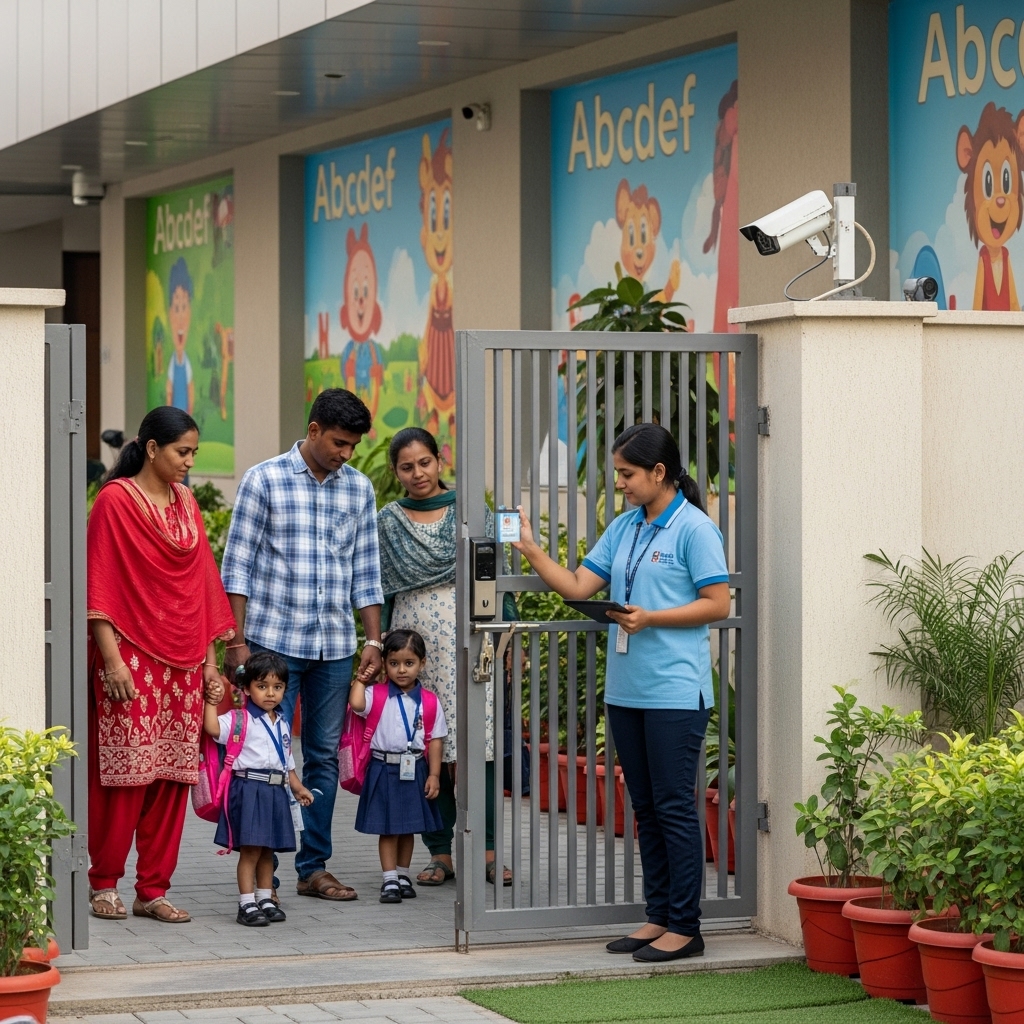
Secure Premises
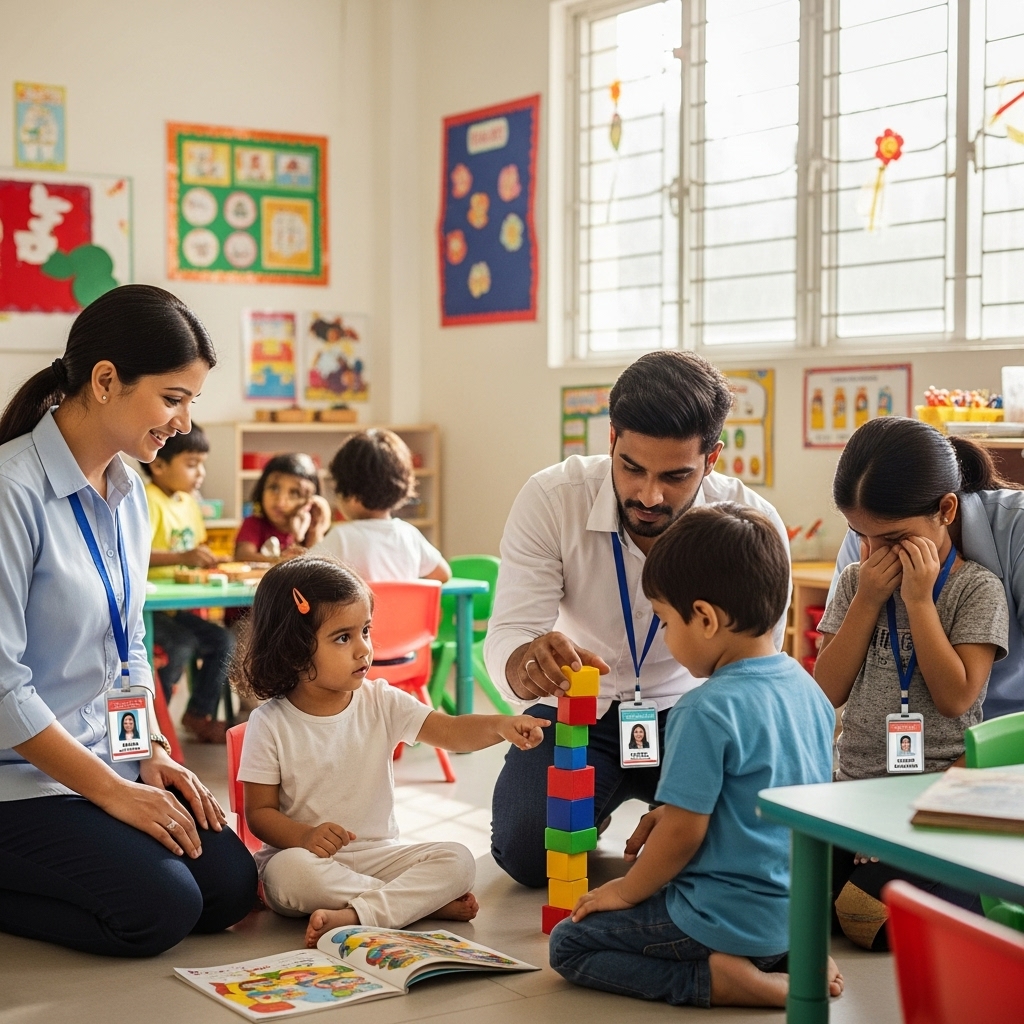
BGV Compliant
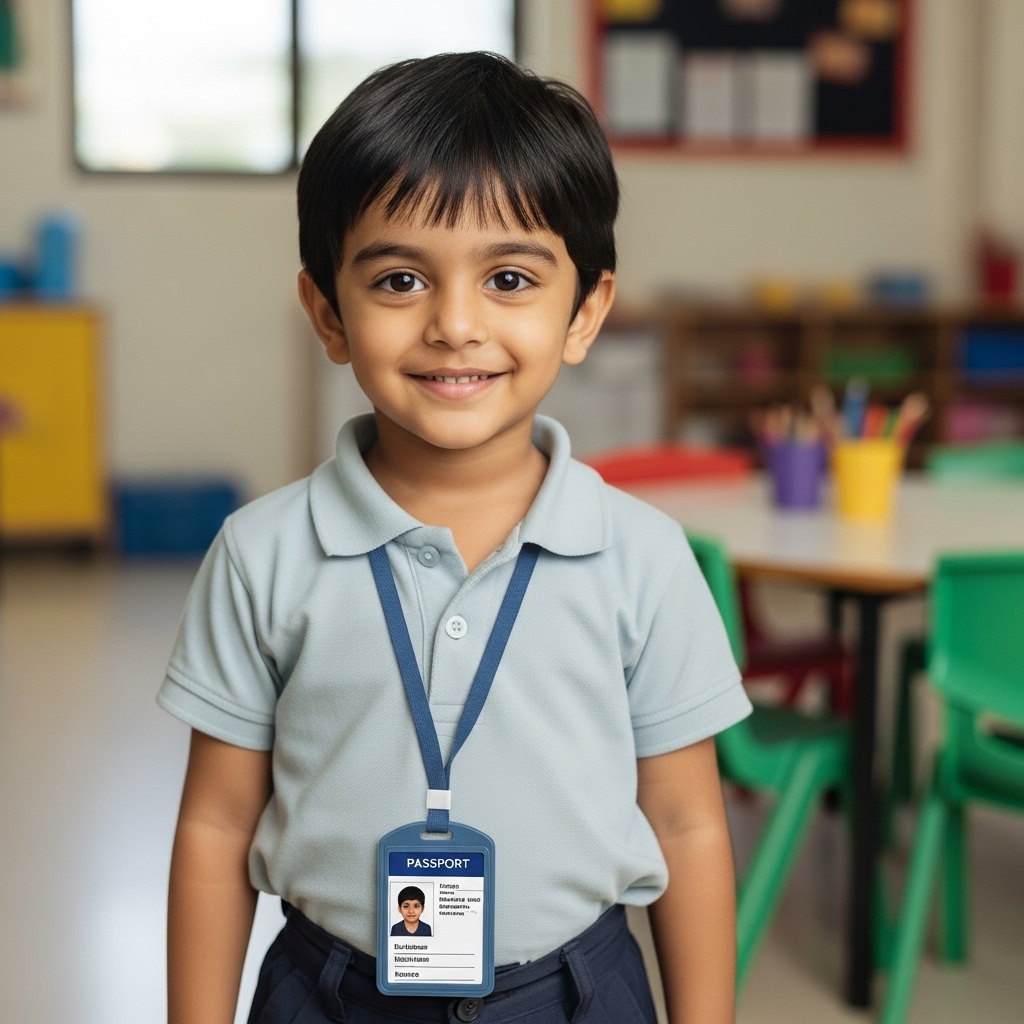
ID Cards
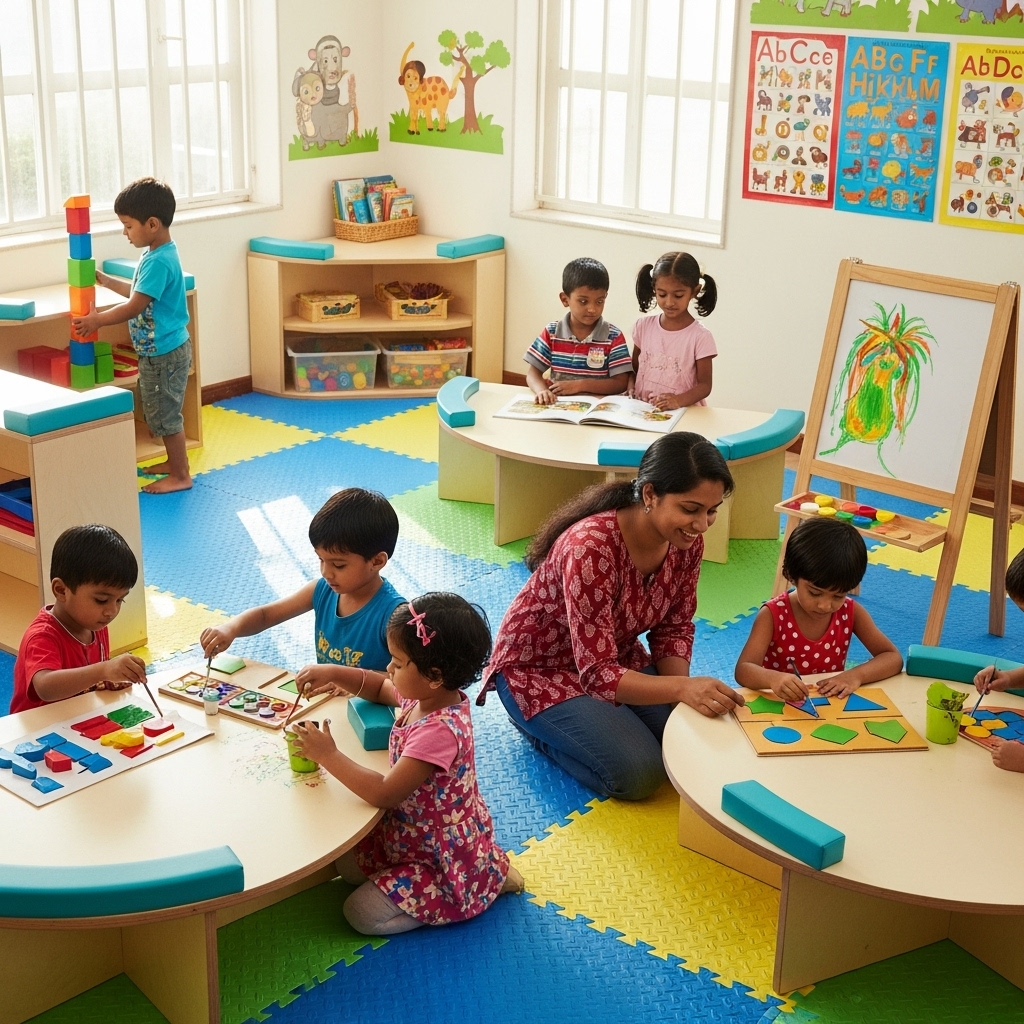
Safe Classrooms
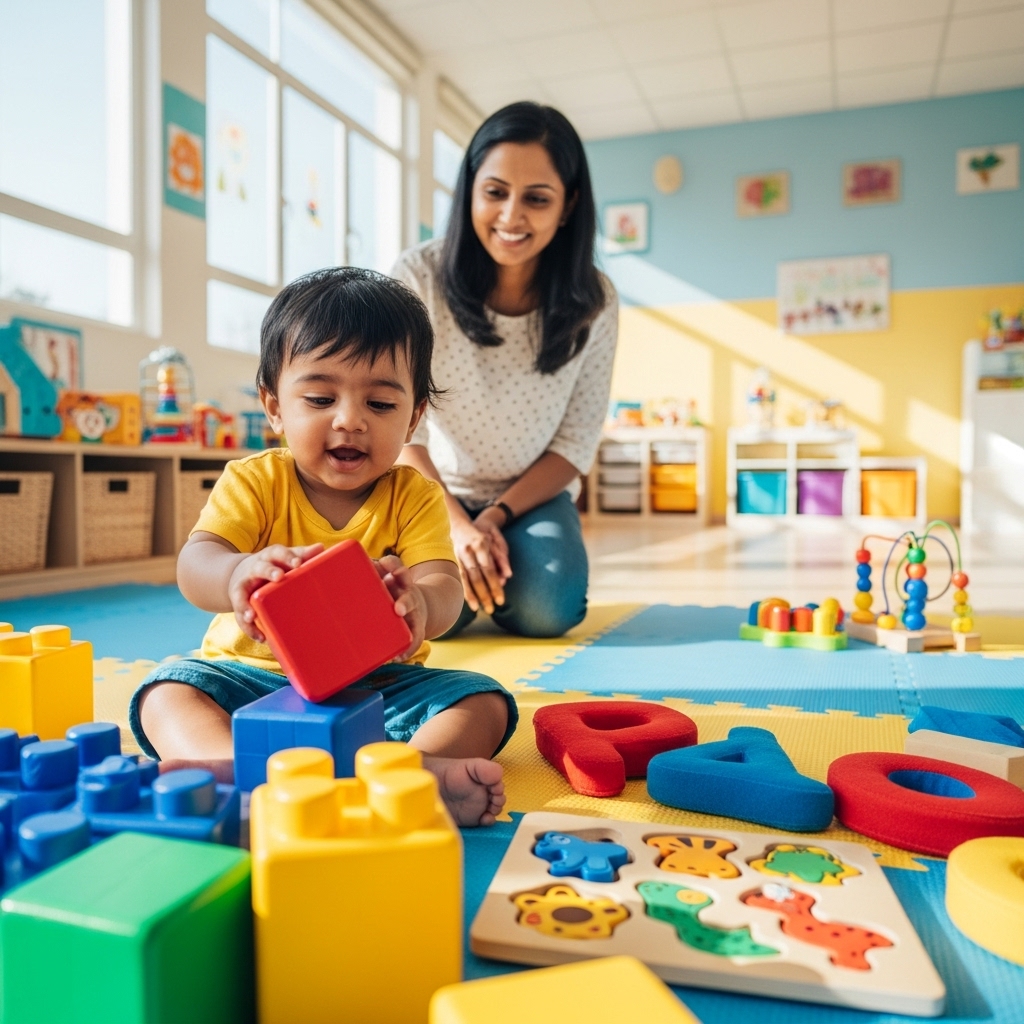
Safe Toys
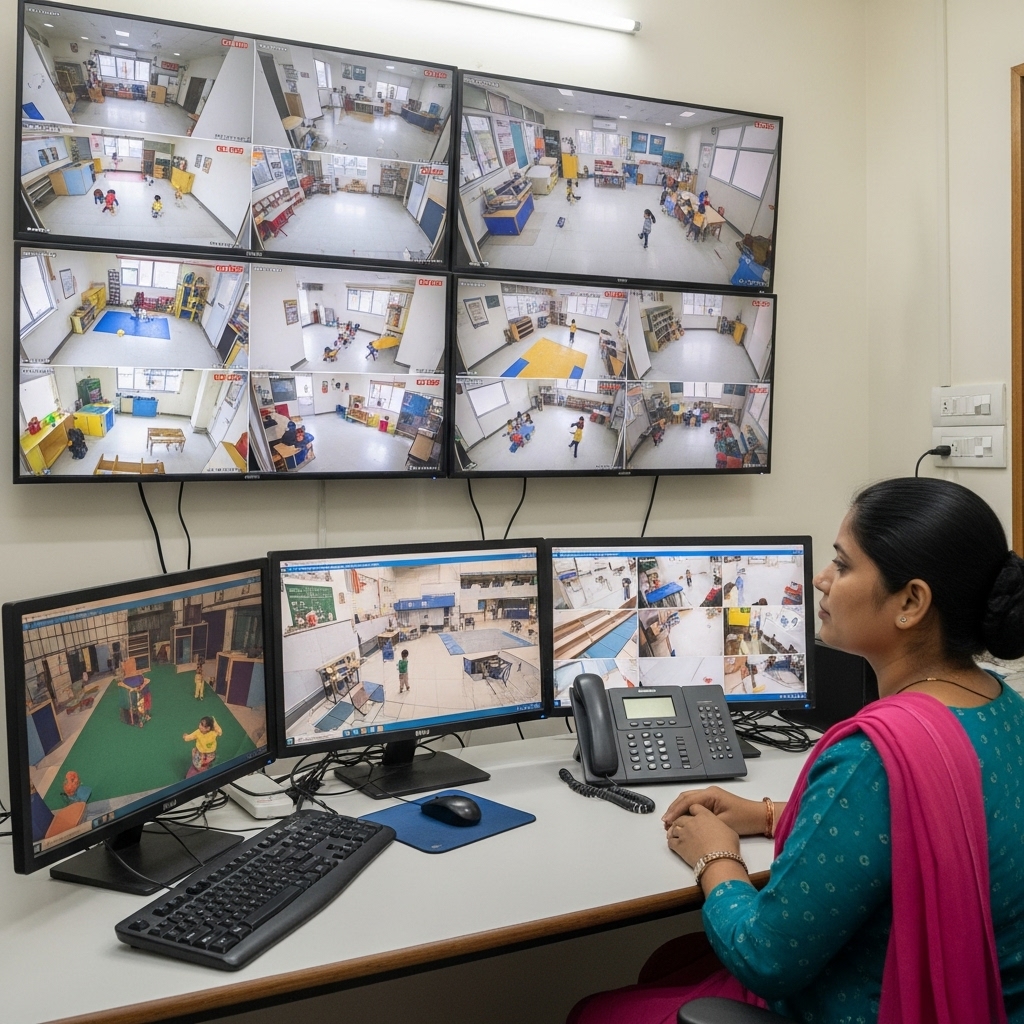
CCTV Monitoring

Daily Safety Checks
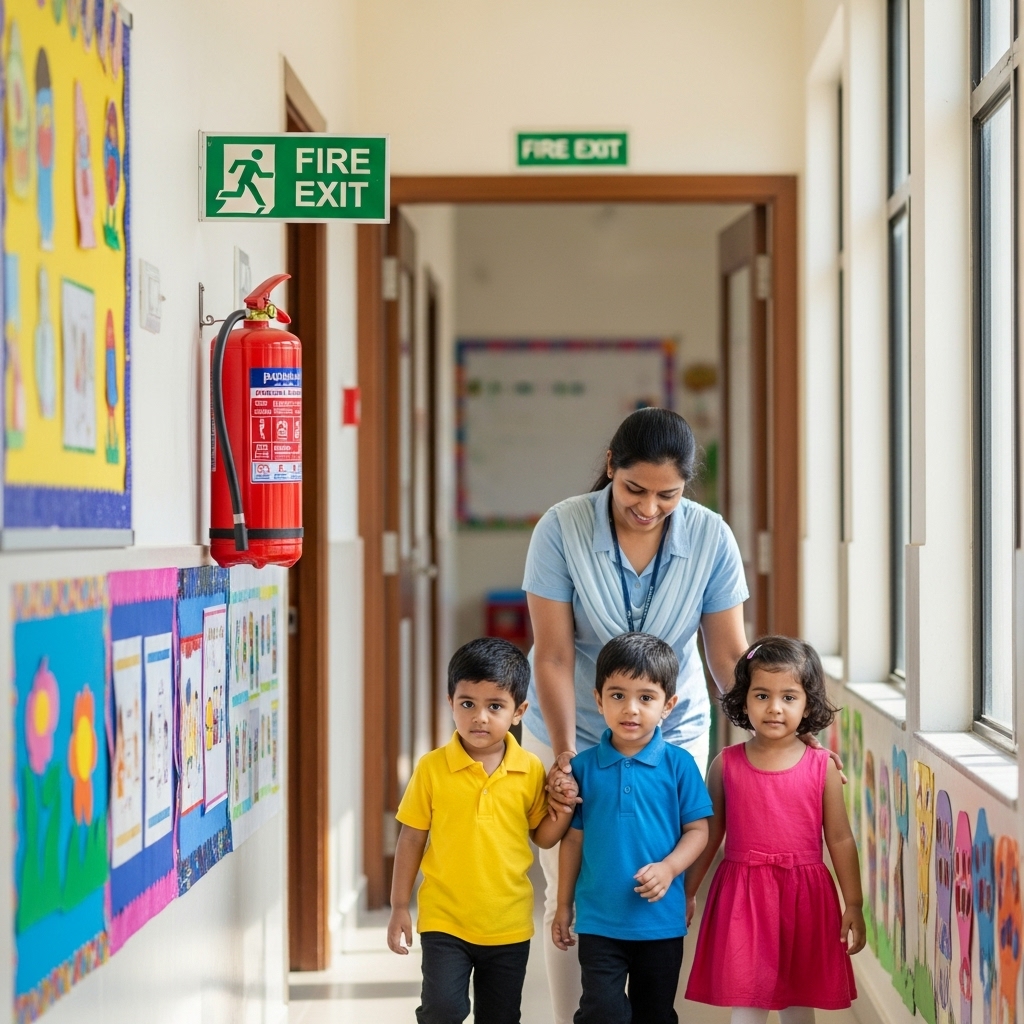
Fire Safety
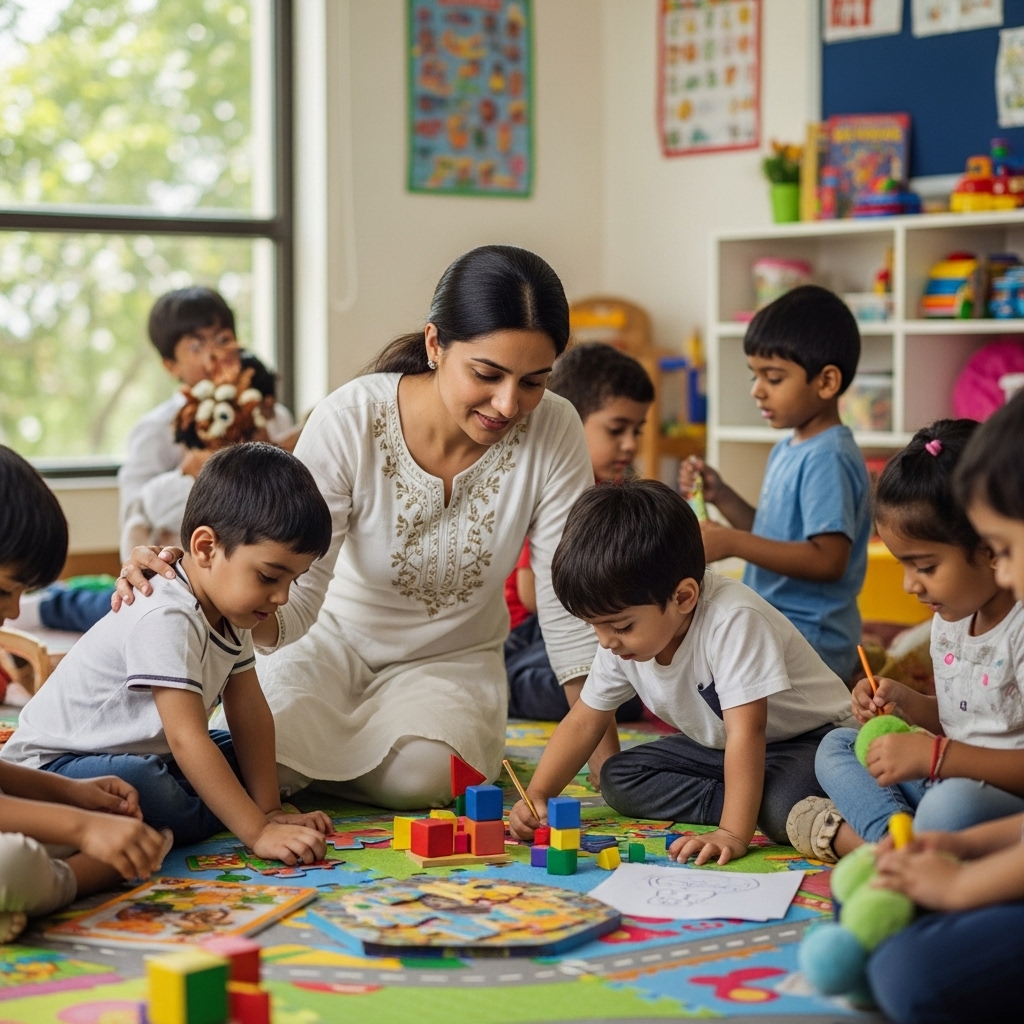
Constant Supervision
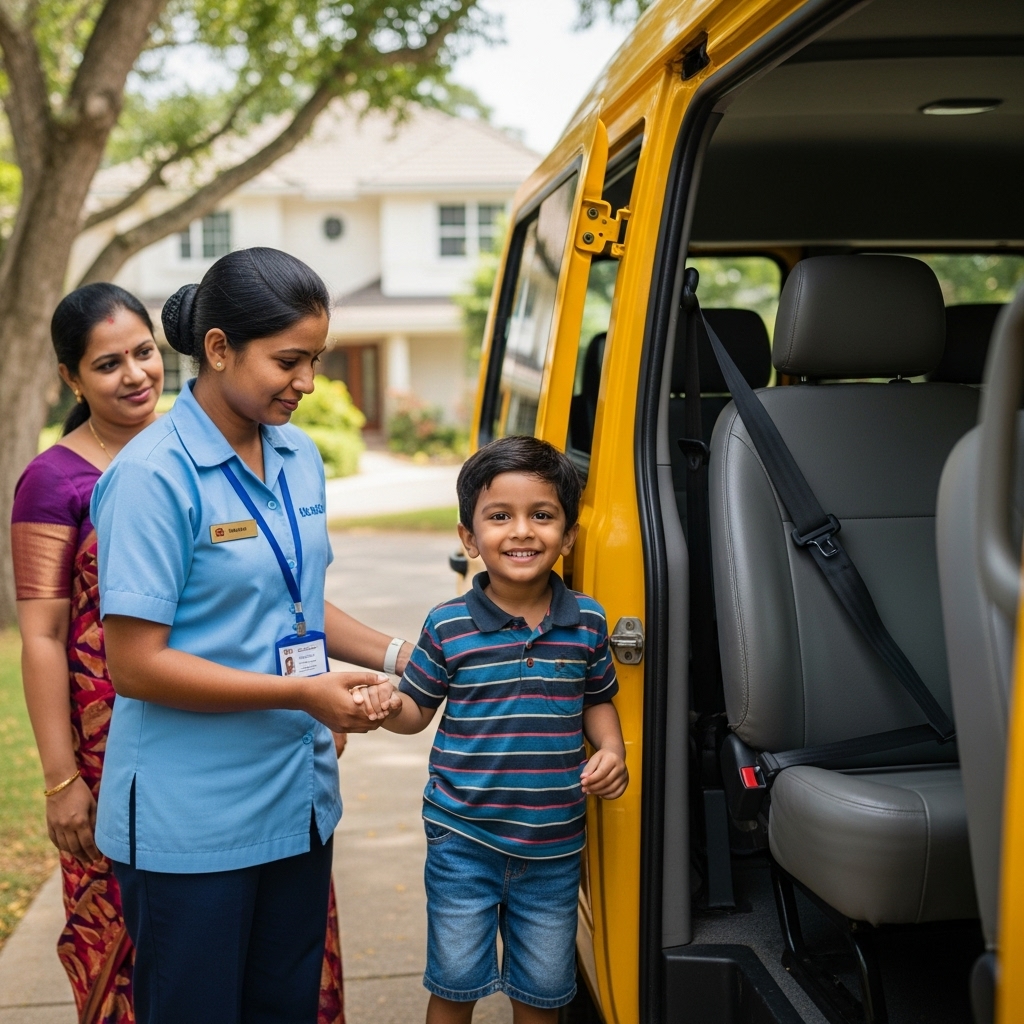
Safe Transportation
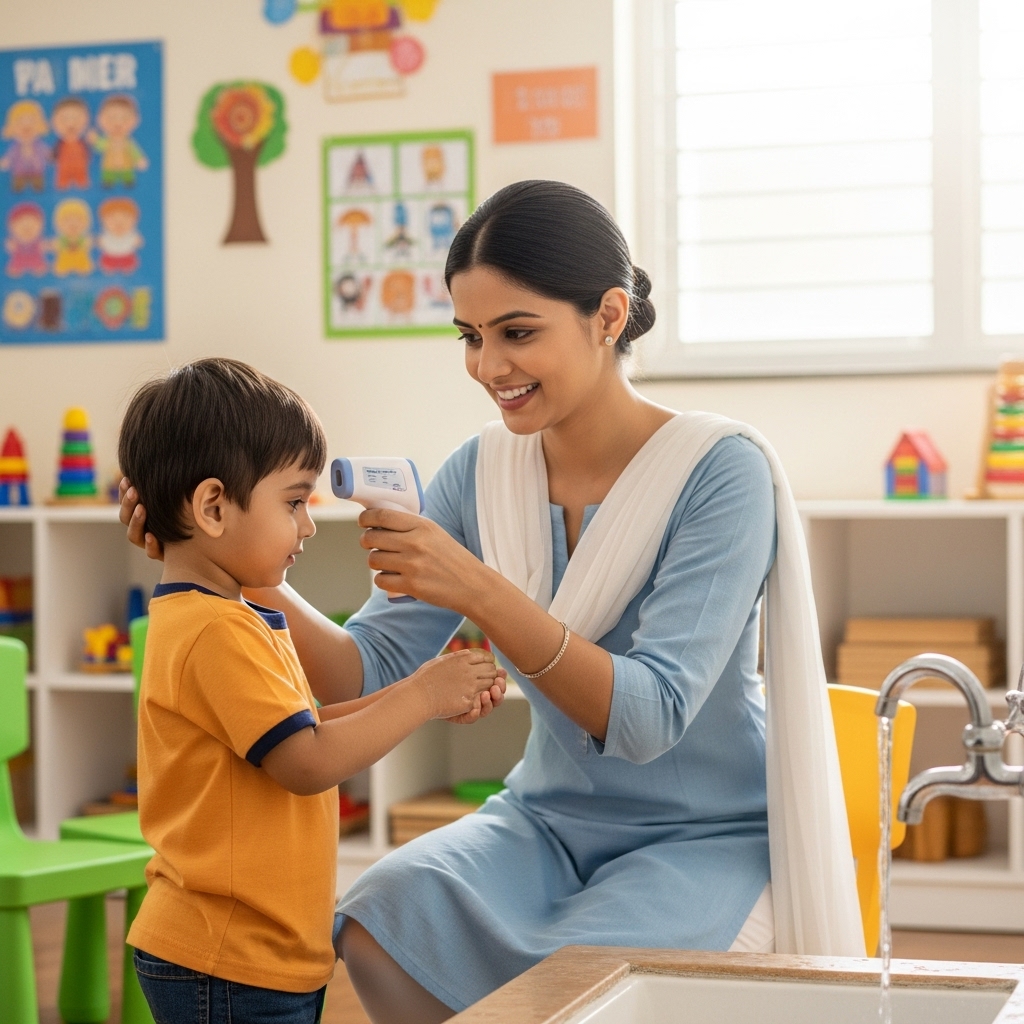
Illness Prevention
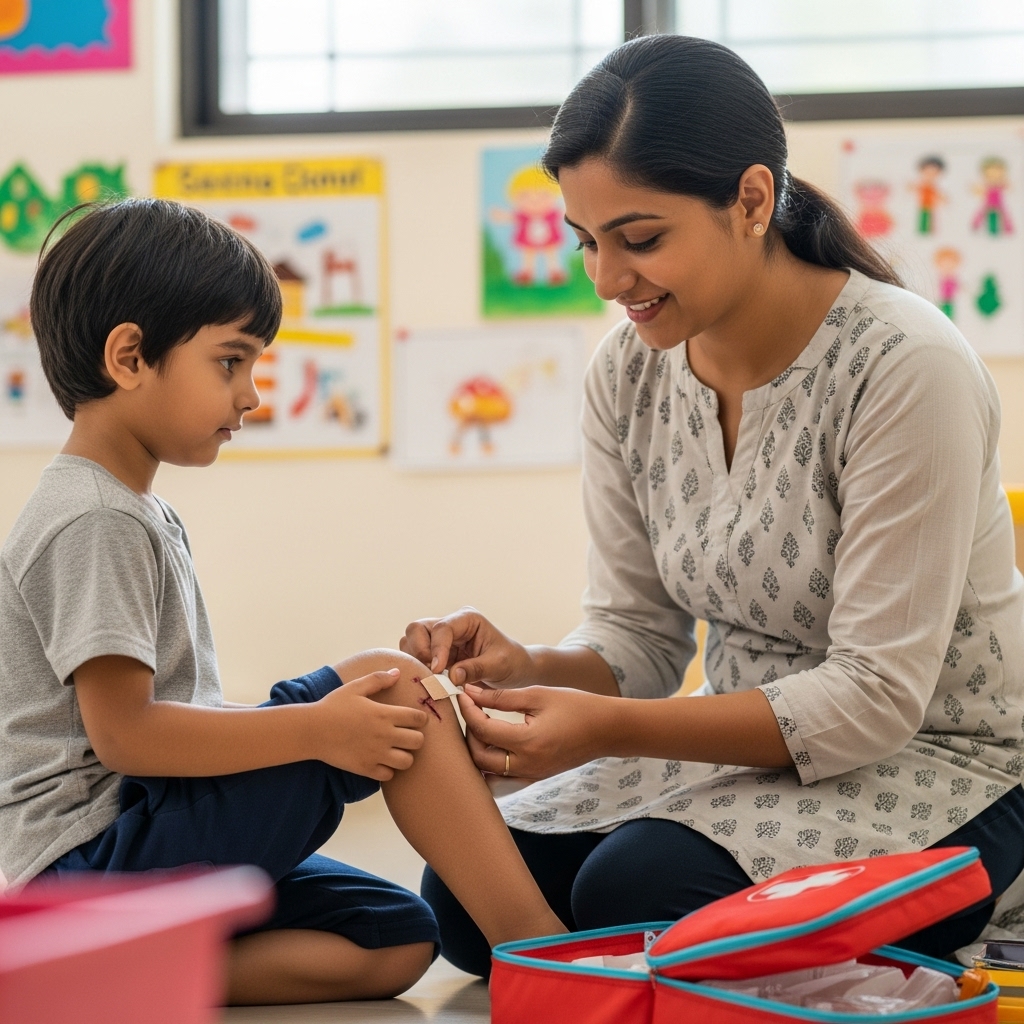
Medical Awareness

Emotional safety
Is child treated with love and respect? Do they feel empowered to express themselves?

Appropriate Attention
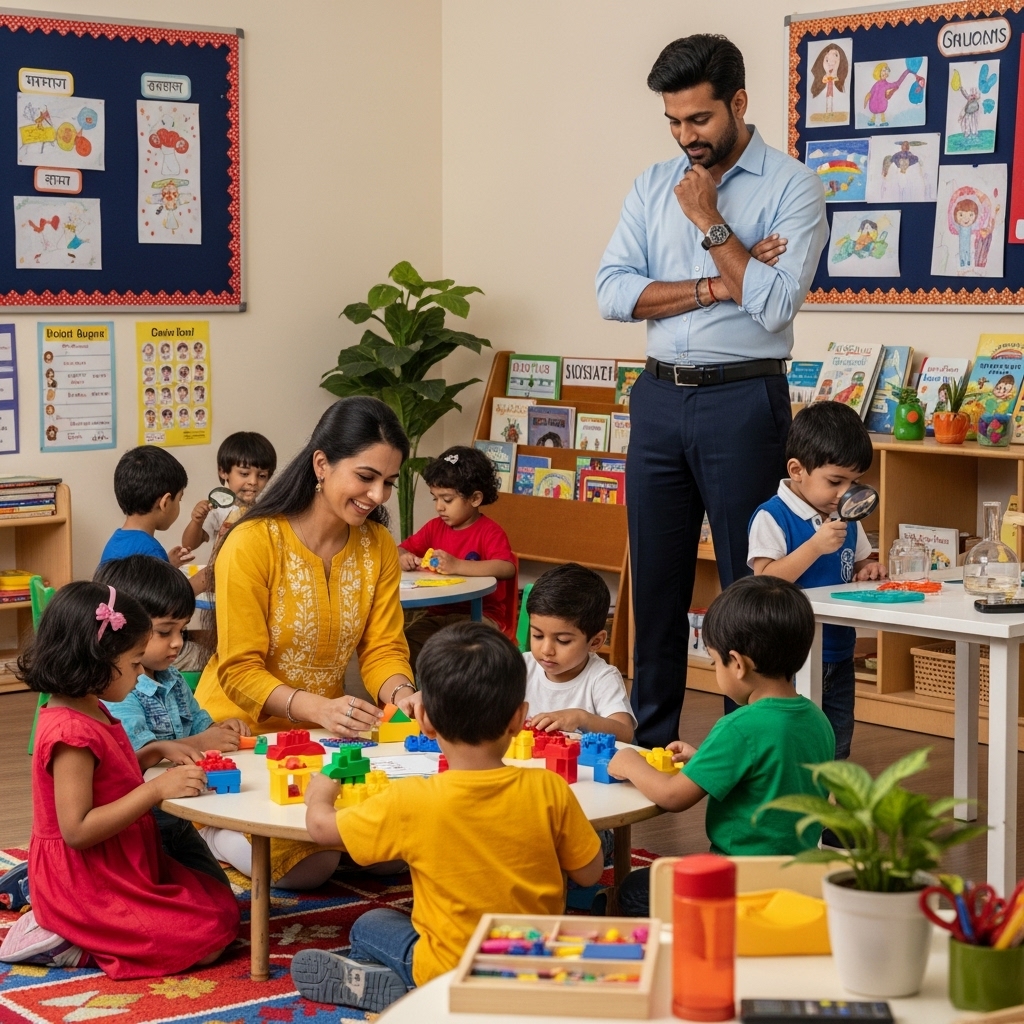
Trained Teachers & Staff
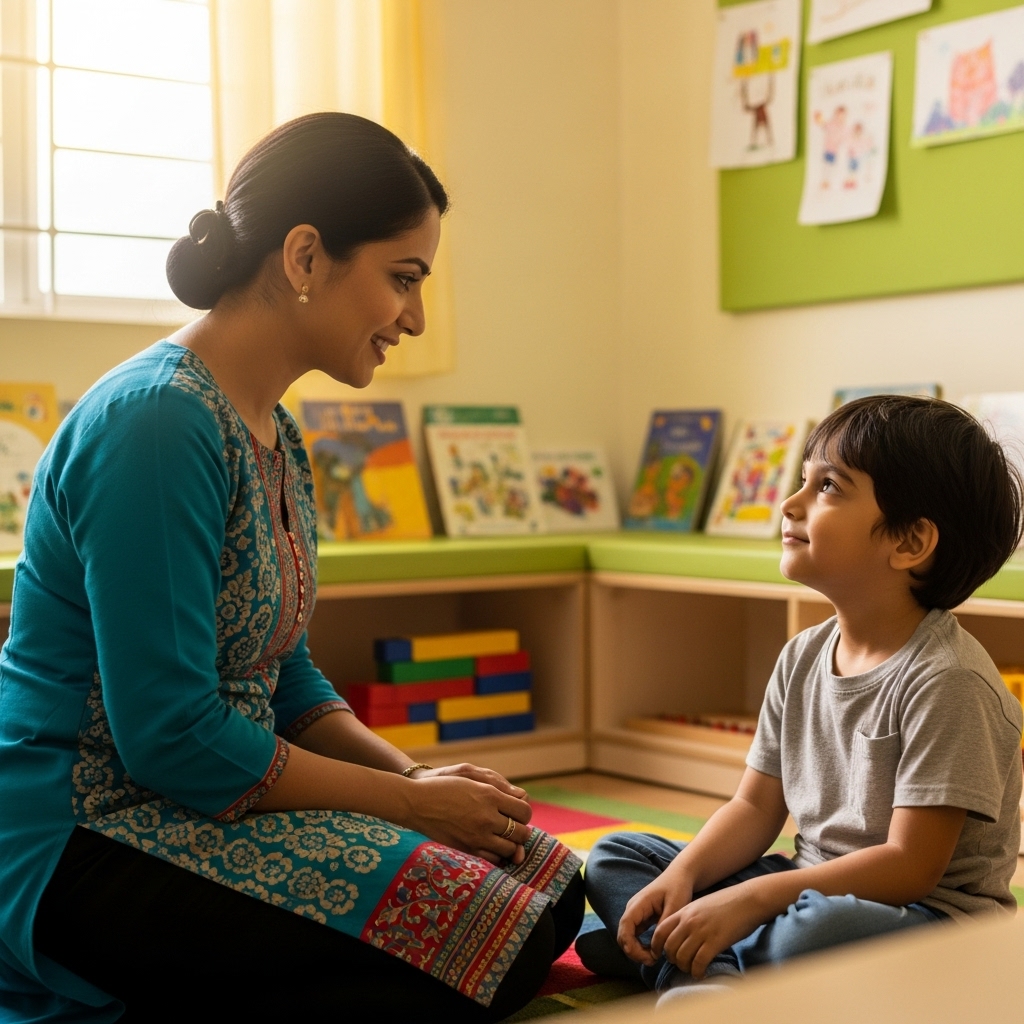
SAY NO to Corporal Punishment
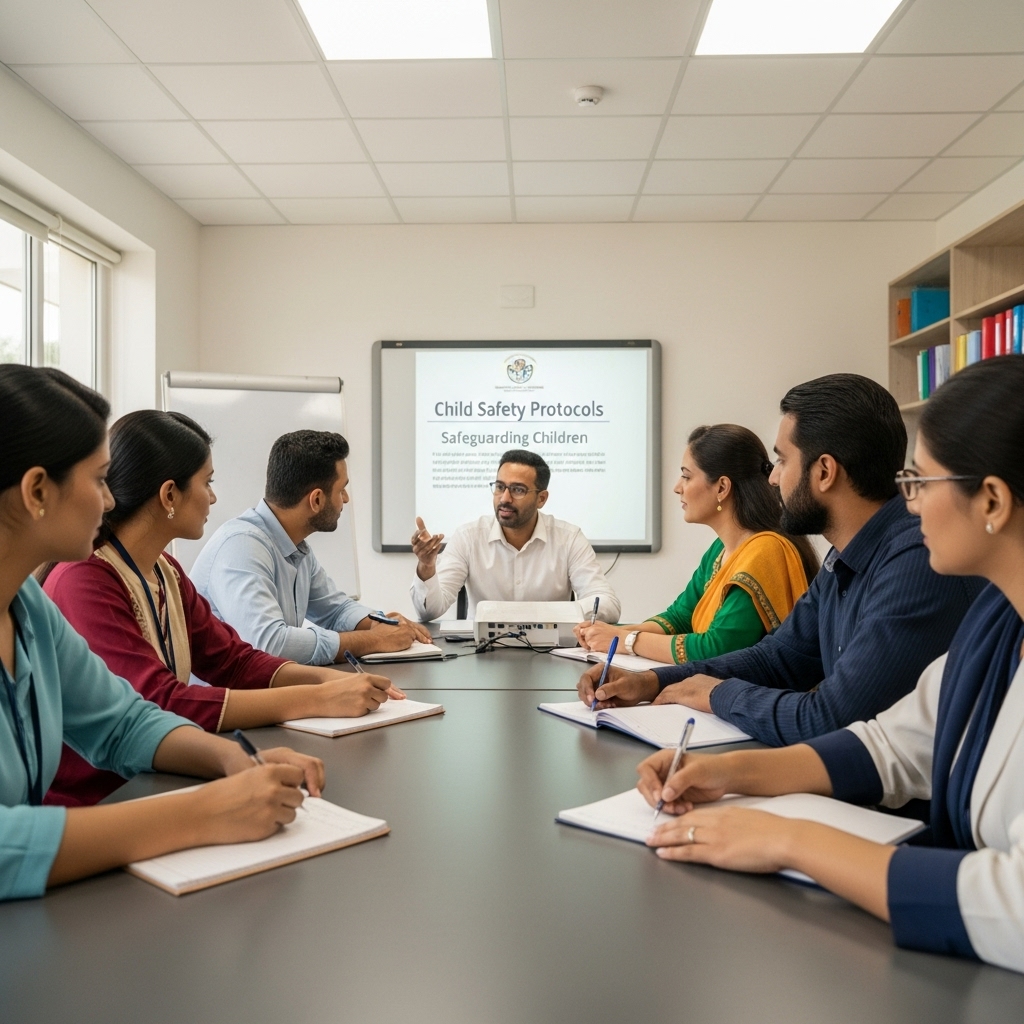
POCSO Training
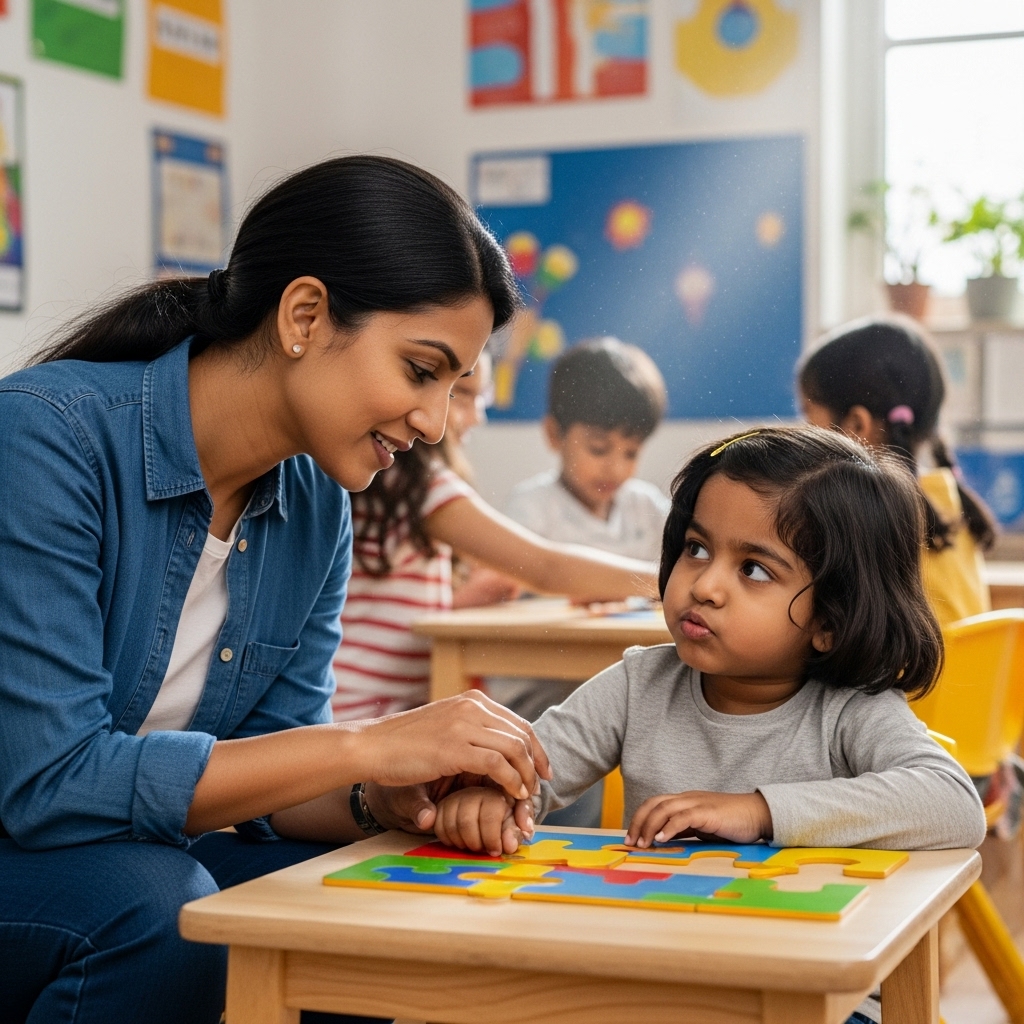
Learning & Emotional Problems

Incident Prevention
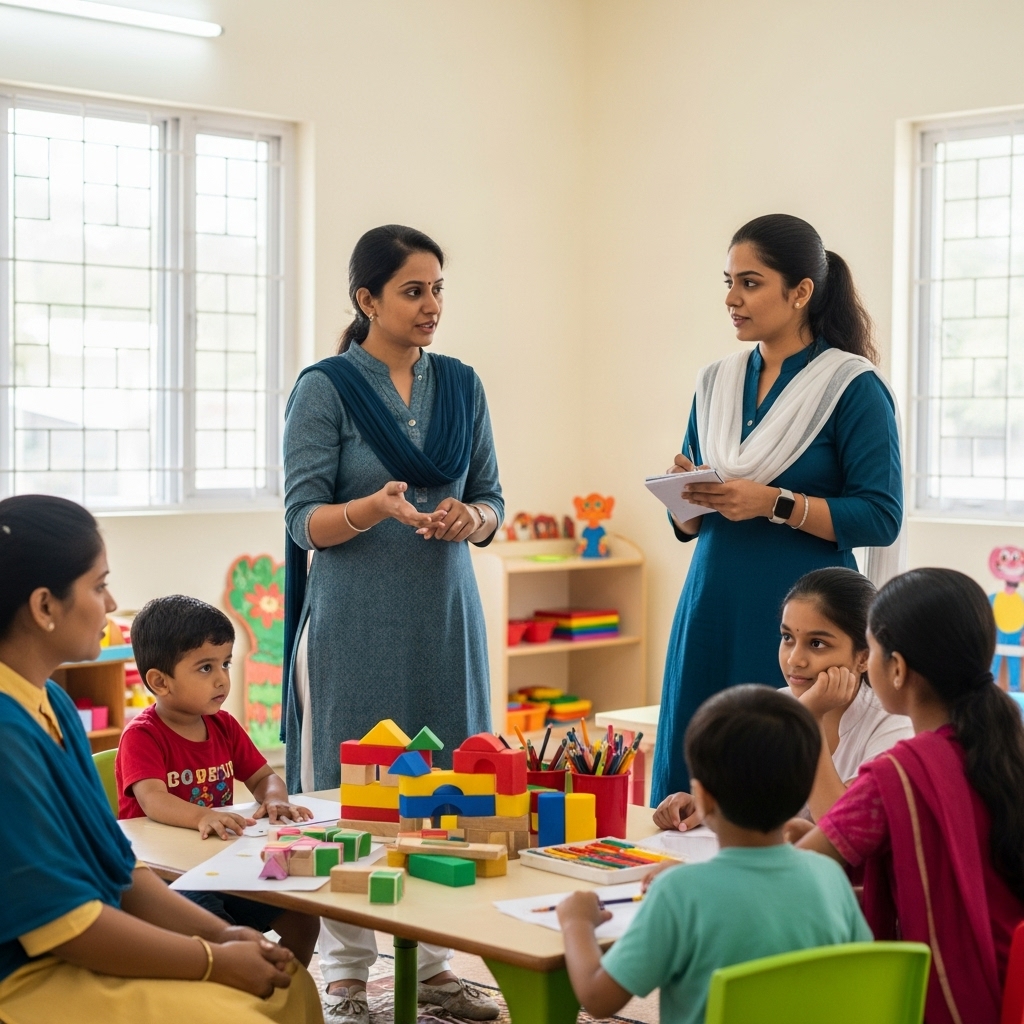
Corrective Measures


Cognitive Safety
Is child taught in an age appropriate way?

Teaching aids & materials
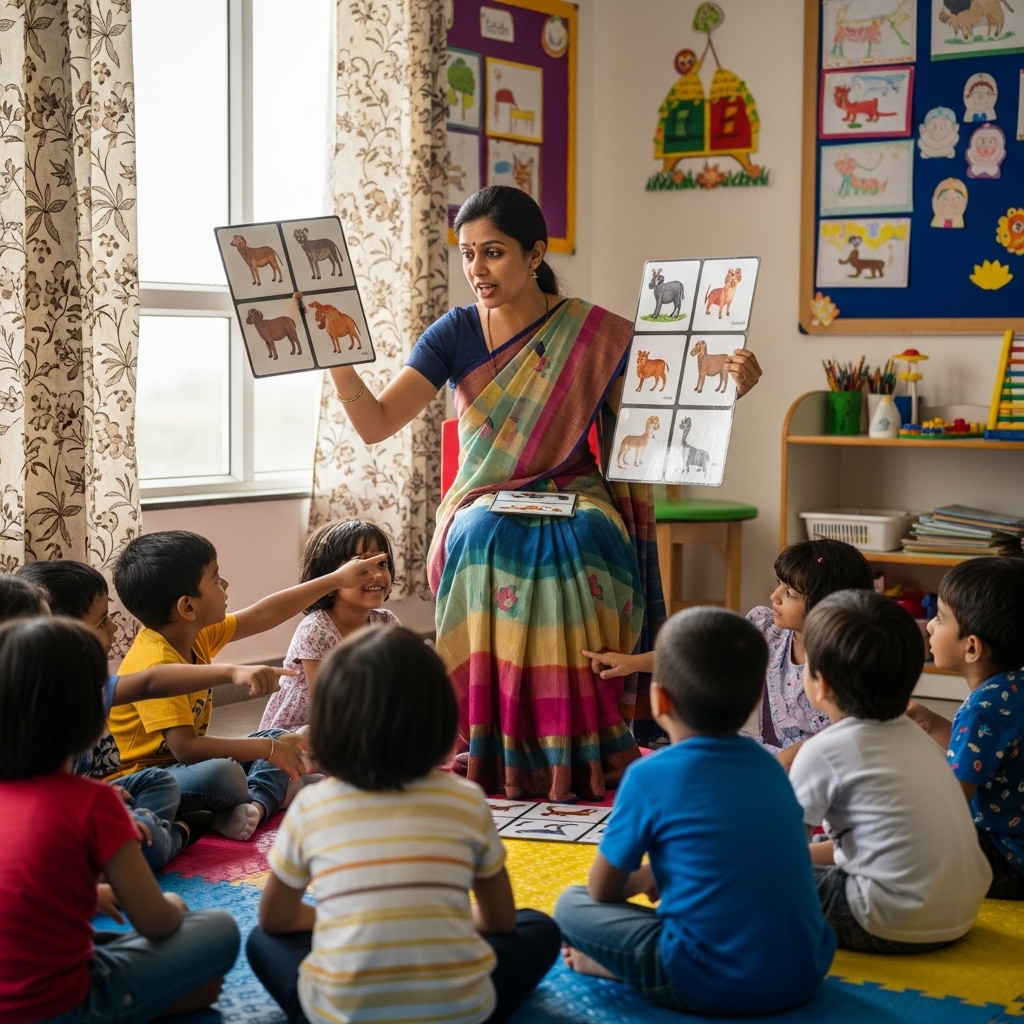
Syllabus & Curriculum

No Academic Pressure

Role of third parties –
Safety measures outside DFS
Third parties are just as important as measures taken in the preschool and at home.
The school bus/van is an area where it is important to have rules to maintain children’s physical safety. The DFS has put forward rules for school buses/Vans including:
Guards, drivers, and caregivers are an important part of a preschool and need to keep your kids safe too!
Role of the parent in Child’s Safety
In Preschool:
In Transit:
In the home:
A child’s behaviour is based on what they learn at home. Once they start school, it becomes even more important to assess what children see at home. To keep them, as well as the other children safe, make sure to:
Ensuring your child’s preschool is safe
In conclusion, we have summarized a quick checklist of do’s and don’ts so that you can pick the safest preschool for your child.
Do’s
Don’t
DFS Daily Safety Checklist
- Floors are dry and free of spills.
- Toys are stored safely and out of walkways.
- Electrical cords are secured out of children’s reach.
- All electrical outlets are either covered or child proof.
- Cleaning supplies and staff personal items are kept in locked storage.
- All food service areas are clean and sanitized.
- Floors, walls, and outsides of trash cans are clean.
- All carpets and rugs are clean.
- Carpets are free of any tripping hazards.
- All toys, materials, and equipment are clean and in good working order.
- Any soft items (dress up clothes, dolls, costumes, etc.) are clean.
- Any sleeping surfaces (cots) are clean.
- Spaces are free of toxic plants.
- Heaters, registers, fans, etc. are not accessible to children.
- First Aid kit has been checked and is adequately stocked.
- Physical environment is clean and in good repair. It is free of: Chipped, broken, or splintered flooring or tiles
- Physical environment is free of peeling paint
- Physical environment is free of broken windows or panes
- Physical environment is free of torn or frayed rugs or carpets
- Furniture is clean and in good repair. It is free of: Protruding nails or screws
- Furniture is free of torn padding or cushions
- Table and chair legs are not broken
- Furniture does not have sharp edges
- Furniture does not have splinters
- All furniture is arranged to prevent tipping and/or is anchored securely to walls or other surfaces.
- Hand washing procedures are posted.
- Sinks, faucets, counters, and soap dispensers are clean.
- Tissues, soap, and disposable towels are available and within children’s reach.
- Bleach and water solution is fresh and spray bottles are labeled and dated.
- All toileting surfaces, doors, and handles appear clean.
- Floors are dry and free of spills or puddles.
- All toys, equipment, and materials are in good condition.
- There is adequate fall protection surface under the equipment.
- Playground equipment is proper size for the ages of children using it.
- Broken equipment is removed or otherwise off-limits.
- There are no broken toys, balls, equipment, etc.
- Glass doors are marked to prevent collisions.
- Fence is in good repair.
- There is no trash, litter, debris, animal waste, downed power lines, etc. on the playground.
- Equipment is free of obvious dangers, such as nuts and bolts that stick out.
- Equipment is free of rust or cracks.
- Equipment is free of sharp edges.
- Equipment is free of splinters.
- Equipment is free of noticeable gaps.
- Playground is free of obvious tripping hazards such as large roots.
- Playground is free of ditches, holes, or standing water.
- Playground is free of uneven concrete or asphalt.
- Thermometer for temperature check.
- Band-Aid.
- Cotton.
- Cotton Bandages.
- Antiseptic Cream, Burn Cream.
- Scissors.
- Savlon or Dettol for cleaning wounds and Betadine Cream.
- cream or spray to relieve insect bites and stings.
- painkillers such as paracetamol (or infant paracetamol for children), aspirin (not to be given to children under 16), or ibuprofen.
- cough medicine.
Ready to find out more?
Discover a world of fun, learning, and care! Schedule a visit, talk to our team, or ask anything. We’re excited to meet you and your little one.